
- Search
- Riyadh26 ° C


8 Major Psychological and Practical Impacts of Long-Term Travel
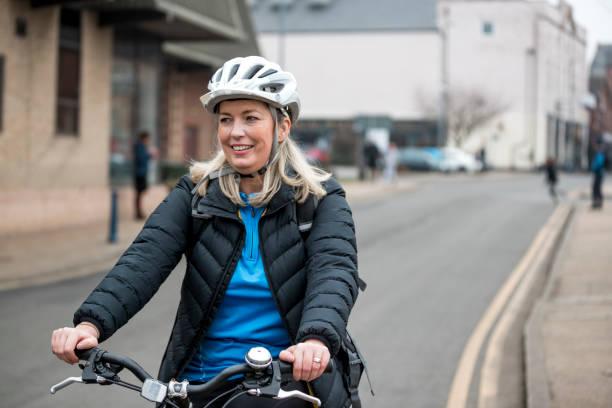
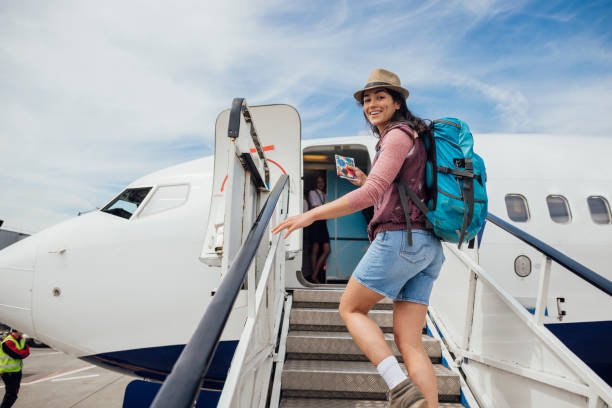
For any individual from around the globe, long-term travel can be one of the most transformative experiences of a lifetime. Spending weeks or months in unfamiliar places offers new sights, cultures, and friendships. But the changes run deeper than souvenirs or photographs. Traveling for extended periods can shift the way you think, feel, and connect with the world.
The effects of long-term travel are complex. Some are uplifting and exciting, while others may feel overwhelming at times. Understanding these impacts can help you prepare for the emotional highs and lows of life on the road.
You Build Independence and Self-Reliance
Extended time away from home forces you to depend on your own judgment. You learn how to navigate new cities, handle unexpected problems, and adapt to local customs. Each success builds confidence in your ability to manage life’s challenges. Over time, this self-reliance becomes a core part of your identity. It’s not always easy at first. You may face situations that push you far out of your comfort zone. Yet, with each challenge, you discover new strengths you didn’t know you had.
You See Daily Life from a New Angle
Being immersed in another culture changes how you view your own. Simple routines like grocery shopping or riding public transport take on fresh meaning. You start noticing details you might have overlooked at home. This shift in perspective often leads to greater appreciation for diversity. It also sparks curiosity about how different lifestyles shape values and priorities. By the time you return, your definition of “normal” may have completely evolved.
You Find a Balance Between Connection and Solitude
While travel brings opportunities to meet people from all walks of life, it also demands periods of solitude. Long-term travelers often move between vibrant social settings and quiet personal reflection. Learning to embrace both is part of the journey. Too much isolation can feel lonely, but constant social activity can be exhausting. Finding the right rhythm helps you stay emotionally balanced and enjoy your experiences more fully.
You Adjust to Different Paces of Life
Some destinations move at lightning speed, while others embrace a slower, more deliberate lifestyle. Adapting to each pace can be both exciting and challenging. In fast-moving environments, you may feel energized but also overwhelmed. In slower settings, you may relax deeply or grow impatient. The ability to adjust your expectations to match your surroundings is a valuable skill. It teaches patience and flexibility, traits that can improve many aspects of life beyond travel.
You Use Technology to Stay Grounded
Digital tools make long-term travel more manageable. Video calls, messaging apps, and online communities help maintain ties with loved ones. They also make it easier to access information, plan routes, and find local events. One useful innovation for travelers is the esim trial. This allows you to test mobile data services without committing to a long-term plan. It’s a convenient way to ensure you stay connected while moving between regions or countries.
You Deepen Self-Awareness
Travel removes the familiar structures that often define daily life. Without the usual routines, you have more space to notice your thoughts, habits, and reactions. This can reveal patterns you never recognized before. Some people discover they thrive in unpredictable environments. Others learn they need certain comforts to feel at ease. This deeper self-awareness can guide future decisions, both during and after your travels.
You Become Comfortable with Uncertainty
No matter how much you plan, long-term travel comes with surprises. Flights get delayed, weather shifts suddenly, and plans fall through. Learning to stay calm and adaptable in these moments is one of the most valuable mental shifts. With time, uncertainty stops feeling like a threat and starts feeling like part of the adventure. This comfort with change can make you more resilient in many areas of life.
You Face Reverse Culture Shock
Coming home after months abroad can be unexpectedly difficult. You may feel out of sync with friends and family, or struggle to readjust to old routines. Familiar places might seem different, or even less exciting, compared to the variety you experienced.
Recognizing this as a normal part of the process helps. Staying in touch with fellow travelers and keeping some of your travel habits can ease the transition. It’s a reminder that the lessons from your journey continue long after you unpack.
Long-term travel changes the way you see yourself and the world. It builds independence, fosters adaptability, and deepens self-understanding. Along the way, tools like the esim trial help maintain essential connections, making the experience smoother and more fulfilling. So, if you approach the road with awareness, the psychological rewards can be just as lasting as the memories you bring home.


2PointZero Group completes majority acquisition in Italy-based ISEM Packaging Group for AED 704 million
Sunday 8 March, 2026 10:55
Al Akaria says title deed for Al Widyan land subdivided into 15 deeds
Sunday 8 March, 2026 10:25
11th Dubai International Project Management Forum issues 31 recommendations
Sunday 8 March, 2026 10:31
Aramco ops flexible to handle disruption; demand to grow in 2026: CEO
Tuesday 10 March, 2026 5:56
Haramain rail boosts Ramadan services above 140 daily trips
Tuesday 10 March, 2026 5:53