
- Search
- Riyadh26 ° C


Build Engaging Video Hooks First By Planning Scenes With Pippit AI
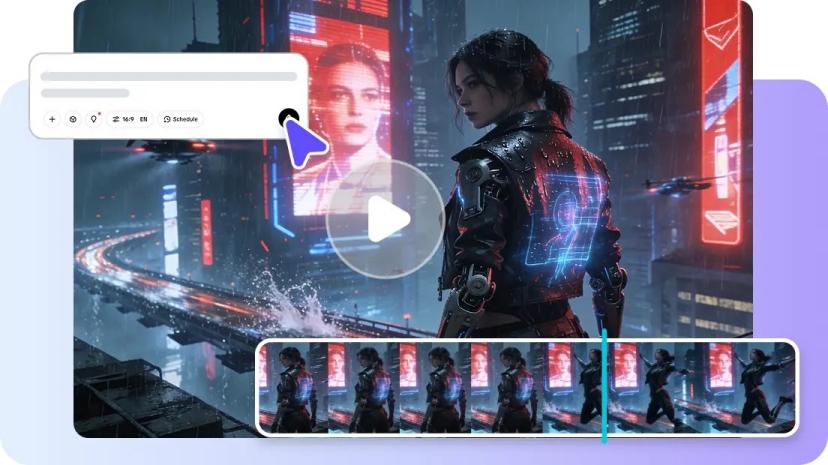
In today's fast-paced world of digital media, it is these first three seconds of a video that will either keep a user engaged or make them scroll away from it. It is in these few seconds of video that hooks play their most vital role.
This is where tools like Pippit come in, which help marketers create powerful video hooks in no time in a creative manner. Using a free AI video generator, marketers can turn their simple ideas into structured video concepts in just a few seconds.
However, making a hook for your video is not just about making it visually appealing; it's also about planning your scenes in such a manner that your video engages your audience in no time. So, let's dive deeper into how planning your scenes can completely change your approach to making engaging video hooks for your marketing videos.
.png)
Why the first five seconds decide everything
When it comes to online videos, viewers are in constant motion, scanning videos quickly. A viewer may be exposed to dozens of videos in just a few minutes, which means every creator is in constant competition for their audience's attention in real-time.
While having a hook in your video is important, it is also important to understand that it does not simply introduce your subject but also creates a need to continue watching your video. If your viewers are not intrigued at first, then it is unlikely that they will continue to watch your video long enough to grasp your message.
What a powerful hook often includes
• A surprising or striking visual
• Bold statement or question
• Quick look at results or transformation
• Relatable problem or issue
All of these create interest in your video and encourage your audience to engage with it.
Thinking in scenes instead of sentences
For many content creators, the process of scripting starts with dialogue or captions. However, this approach can be problematic when it comes to short-form content.
The scene approach is the opposite of the sentence approach. The content creator thinks about the visual content first, and not the dialogue or the captions. The creator thinks about what the audience is going to see in the first scene, the second scene, and how the two scenes will transition.
The scene approach is helpful in that it can be used to create hooks that are not too explanatory.
.png)
Examples of visual hook ideas
1. A dramatic before and after
2. A quick demonstration of something interesting
3. A fast-paced action scene that grabs the audience's attention
4. A fast transition into the main topic
Why creators struggle with designing hooks
Some video creators tend to concentrate most of their effort on the middle section of the video, which could be explaining the features, telling a story, or sharing information. However, the problem is that the video will not be seen if the hook is not successful.
If there is no planning process, the creator could end up recording multiple versions of the scene in the hope that the video will be successful. This is not the best way to go about it.
Scene planning eliminates the guesswork that could be involved in designing the hooks.
Common mistakes that video creators make when designing hooks
• Slow introductions
• Explaining the topic before showing something interesting
• Too much text and narration
• Delaying the main idea too much
How Pippit helps creators build stronger video scenes
Pippit makes it easier for video creators to map video scenes before they start producing the video. This way, they do not need to guess the way the video will start.
Pippit helps video creators understand the way the video scenes are structured and the way they are arranged. This way, they are able to create videos in the way they want and ensure the opening scenes are as they want.
When the scenes are well arranged, the video will be more interesting as the hook is well arranged.
Turning hook ideas into video scenes
The next step in the creation of a video is connecting the hook idea to the rest of the video. A good video opening has to be connected to the rest of the content in the video.
The video scenes are arranged in a way that they are all connected and ensure the video does not lose momentum after the hook.
A simple scene flow for short-form videos
• Hook that grabs the audience's attention immediately
• Quick context explaining the situation
• Proof through demonstration
• Key takeaway or benefit
• Call to action
How AI helps accelerate creative experimentation
Artificial intelligence has enabled creators to accelerate their creative experimentation by making it easier for them to test new ideas. Rather than wasting a lot of time cutting different versions of the same video, creators can now make different versions that help them test different ideas for creating hooks.
Pippit, a smart AI video generator, can offer ideas for creating different scenes in a video, transitions, and pacing ideas for creating different hooks for a video's opening moments. Such ideas can help creators discover different ideas for creating hooks for their videos.
Planning hooks that match audience psychology
The best hooks for a video are those that match the audience's psychology. Rather than focusing on creating hooks for a video around the product or topic, creators can make them around different aspects that interest their audience.
Hooks that work well for a video often include ideas around different emotions, such as excitement or surprise.
Psychological triggers that make hooks effective
• What the audience wants to know and understand about the way something works
• What the audience wants to improve and change
• Surprise through unexpected visuals
• Relatability through common problems
Understanding the triggers helps the creator craft a hook that naturally engages the viewer.
Why planning hooks results in effective storytelling
When the hook is planned and in place, the rest of the video is easier to plan. This is because the creator knows the mood and message they want to convey through the video.
This way, the rest of the video does not clash with the hook. It all works together in harmony, and the content is more engaging at the end.
Planning the scenes in the video also helps the creator avoid having to reshoot the scenes because they know where they are leading the video.
Build better video hooks with Pippit
Video hooks are some of the most important parts of a video, as they make the difference between a viewer sticking around to watch the rest of the content or scrolling away.
With Pippit, you can make this process easier by turning your ideas into scenes, which are easier to plan and create, allowing you to make better hooks.
Want to make videos that hook viewers instantly? Try Pippit today!


"ZAIN KSA" PUBLISHES ITS 2025 SUSTAINABILITY REPORT
Thursday 9 July, 2026 4:18
SRC completes pricing $2.75B Sukuk issuance
Thursday 9 July, 2026 8:00
From Afforestation to Recycling – NWC Expands Its Sustainable Environmental Impact
Thursday 9 July, 2026 8:00
Makkah white land areas reach 28M sqm in development, trading: MOMAH
Thursday 9 July, 2026 8:00