
- Search
- Riyadh26 ° C


How to Build Good Habits Early in ARC Raiders
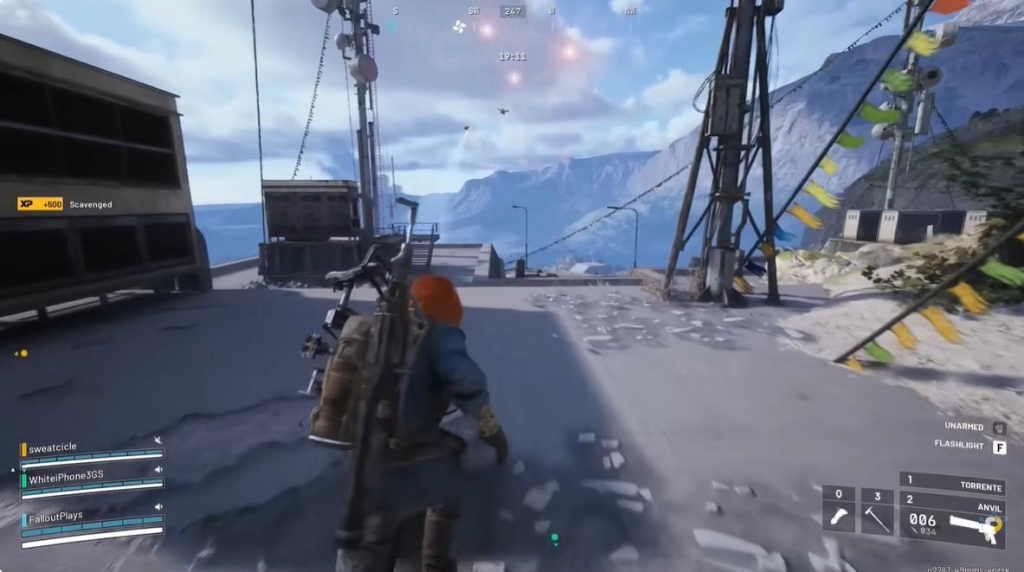
ARC Raiders has sold over 12 million copies. That's not a niche extraction shooter anymore—that's mainstream. And with mainstream comes a massive skill gap between players who built the right habits early and those who didn't.
Most new players jump in, lose their gear three times, and start Googling "is ARC Raiders even worth playing?" Sound familiar?
Here's the thing. Extraction shooters punish bad habits harder than almost any other genre. Every raid you survive compounds your progression. Every raid you throw away sets you back. The first 10–20 hours basically decide whether this game clicks or feels pointless.
So let's talk about the habits that separate players who thrive from players who quit.
Learn the Map Before You Learn to Fight
This one sounds boring. Nobody loads into ARC Raiders excited to memorize hallways. But map knowledge is the single biggest advantage you can build early.
Start with Dam's Battleground. It's the easiest map and the best classroom. Spend your first five to ten runs doing something that feels counterintuitive—don't focus on loot.
Instead, run "dry" routes using free loadouts. No pressure, no stakes. Just move through the environment and find three things:
- Where the extraction points are
- Where ARC machines patrol and spawn
- Which corridors feel safe versus which ones funnel you into danger
Once extraction locations are second nature, you can start layering loot routes on top. The habit here is "know your exit before you touch anything." Plan backward—pick an extraction, then chart a path through three or four loot spots on the way there.
Players who skip this step end up sprinting through unfamiliar territory with a full backpack and no idea where to go. That's how you lose everything.
ARC Raiders Combat Tips: Fight Less, Win More
New players treat every encounter like a deathmatch. Veteran players treat every encounter like a cost-benefit analysis.
Positioning beats aim almost every single time in ARC Raiders. Use elevation. Use cover. Peek, shoot, duck, reposition. If you're standing in the open trading shots with another raider, you've already made the wrong decision three steps ago.
The habit to build early is what experienced players call fight selection. Before you pull the trigger, ask yourself a few quick questions. Do you have cover? Can a third party hear this fight and push you? Is the potential loot worth the ammo and health you'll spend?
Sometimes the best play is crouching behind a wall and letting a squad walk right past you. That's not cowardice—that's extraction intelligence.
Sound Discipline Matters More Than You Think
Every sprint, every door slam, every piece of broken glass broadcasts your position. Good players move deliberately. They stop moving when they suspect enemies are close. They listen for reloads, footsteps, ARC machine hums.
Try enabling "Night Mode" in audio settings if you don't have high-end headphones. It compresses dynamic range and makes directional cues much clearer. Small technical change, massive tactical advantage.
ARC Raiders Progression Guide: Loot for Your Account, Not Your Backpack
Here's where most beginners bleed resources without realizing it. They fill their inventory with random junk, extract successfully, and feel good about it. But their account progression barely moves.
The habit that changes everything is intentional looting. Before you drop, decide what you're extracting with. Blueprints, weapon cratelets, and vendor quest items should always take priority over generic materials.
Think of your safe pocket slots like they cost money. Every slot filled with low-value trash is a slot that could've held something that permanently advances your account.
Early on, invest skill points into inventory capacity and extraction speed—perks like Broad Shoulders, Used To The Weight, and Looter's Instincts. These skills compound over time. The more efficiently you extract high-value items per run, the faster everything else unlocks.
And please—use free loadouts until you genuinely understand the fundamentals. Custom loadouts are tempting, but losing expensive gear before you know the maps creates a negative currency spiral that's hard to recover from.
The Mental Game Nobody Talks About
Tilt kills more runs than any ARC machine ever will.
After a bad death—especially one where you lost a stacked loadout—the instinct is to queue immediately and "get it back." That instinct is wrong almost every time. Tilted players make aggressive decisions, ignore their own rules, and lose even more.
Build a post-raid habit instead. After every death, spend thirty seconds asking one question: what was the actual mistake? Was it routing? Positioning? Greed? Sound? Then queue your next raid with that single correction as your focus.
Set micro-goals per session rather than outcome goals. "Learn two new extraction routes" is better than "extract with 50K worth of loot." Micro-goals keep you improving even during rough streaks.
And normalize losing gear. Skilled players don't avoid losses—they respond to losses differently. That mental resilience is itself a habit, and it's the one that keeps people playing long enough to actually get good.
Bad Habits That Will Stall Your Progress
Worth calling out the most common traps explicitly, because recognizing them is half the battle.
Rushing vendors for expensive gear early. You don't need it yet. Master fundamentals with free loadouts first.
Staying topside too long. Greed is the number one killer. Once your priority slots are full, get out. The longer you linger, the more dangerous it gets.
Taking every fight. Not every engagement is worth the ammo, noise, and risk. Disengaging is a legitimate and often optimal strategy.
Ignoring updates. ARC Raiders is a live game. Loot tables shift, balance patches land, new maps like Stella Montis change the meta. Players who don't stay current end up running outdated routes and builds.
Some players skip habit-building entirely by searching for Arc Raiders cheats and external shortcuts. The problem is obvious—when the meta shifts or a patch lands, shortcut-dependent players have no foundation to adapt. Habits survive updates. Shortcuts don't.
Your Settings Are a Habit Too
Quick technical wins that most players overlook: disable motion blur, max your Field of View, and drop your zoom sensitivity multiplier to around 75–85% for cleaner ADS precision.
More importantly, build the habit of revisiting your settings periodically. After major patches or when something feels off mechanically, spend five minutes testing adjustments in a free-loadout run. Crosshair placement—pre-aiming at chest height instead of staring at the ground—is another small habit with outsized impact on reaction time.
Where to Keep Learning
ARC Raiders has a growing creator ecosystem. Check the /r/ArcRaiders subreddit for community routes and builds. Watch long-form tip videos from creators covering advanced map strategies and settings optimization. Bookmark Arc Raiders Hub for weapon stats and interactive maps.
And keep an eye on official Embark patch notes. The game is evolving fast, and the players who adapt their habits first are the ones who stay ahead.
Good habits aren't glamorous. They won't make a highlight reel. But they're the reason some players extract consistently while others keep wondering why the game feels unfair. Start building them now—your future raids depend on it.


SMC signs SAR 148.5M contract for Riyadh hospital construction
Tuesday 29 September, 2026 8:00
STC Bank to Exclusively Activate Visa’s LALIGA partnership in Saudi Arabia
Tuesday 29 September, 2026 8:00
Egypt-Saudi electricity interconnection completed on Egypt side: Esmat
Tuesday 29 September, 2026 8:00
Saudi Arabia leads calls at UNGA to close USD1 trillion women’s health gap
Tuesday 29 September, 2026 8:00
Industry Ministry issues 364 licenses worth SAR 4.5B in June
Tuesday 29 September, 2026 8:00