
- Search
- Riyadh26 ° C


ADI Chain, Shipfinex to establish first regulated tokenised maritime asset class
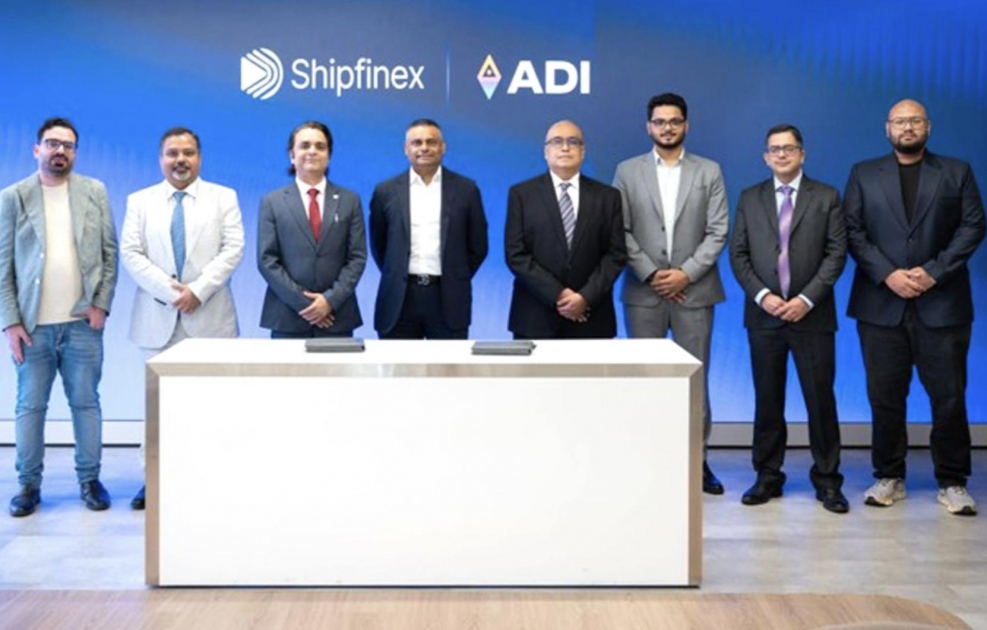
ADI Chain and Shipfinex have entered an exclusive partnership to establish the first regulated, institutional-grade tokenised maritime asset class, creating a new on-chain market for vessel-backed finance, charter-linked income and economic interests in ships.
Maritime Asset Tokens developed under the partnership will be issued through a regulated route and made available exclusively on ADI Chain.
Although maritime transport carries over 80 percent of international trade in goods by volume, investment in the vessels supporting that economy remains concentrated among shipowners, banks and specialist financial institutions. This creates a significant financing opportunity.
The commercial fleet was estimated to be worth approximately $2.17 trillion at end-2025, while total global ship finance, including bank lending, leasing, export credit and alternative providers, stood at approximately US$680 billion.
At the same time, ownership is highly fragmented across thousands of predominantly small and mid-sized operators, many of which have limited access to new sources of capital.
The partnership will create a regulated digital route into this market. Shipfinex will originate, issue and structure eligible maritime assets. ADI Chain will provide the blockchain, distribution and settlement infrastructure connecting those instruments with the digital-asset economy and introducing qualified institutional participants to primary distributions of Maritime Asset Tokens as the regulated issuance route is finalised.
Shipfinex brings an initial pipeline of around 35 vessels valued at approximately US$500 million. Its Maritime Asset Token architecture and per-vessel legal structure have already been designed, with the project now moving through the pilot and operational-readiness stage.
Each eligible vessel will be held within its own legally distinct special-purpose vehicle, allowing its value, liabilities, income and investor rights to be assessed independently. Depending on the final product structure, the resulting instruments could represent vessel-backed credit, charter-linked income or economic interests.
“Maritime finance has the scale, real assets and commercial activity to become a major new real-world asset category,” said Ramana Kumar, President of Stablecoin Ecosystem, ADI Foundation.
He added, “The missing piece has been trusted infrastructure connecting individual vessels and its economic value with regulated issuance and onshore digital settlement. Through this partnership, ADI Chain is creating that foundation and giving maritime assets a clear route into digital markets through the UAE.”
The model will retain the established legal and operational frameworks governing commercial ships, including ownership, flagging, insurance and maritime protections. Tokenisation will provide a digital representation of the economic rights linked to each vessel without replacing the structures through which the asset is owned and operated.
Each Maritime Asset Token will remain connected to an identifiable vessel with its own valuation, operating history, financial profile and legal structure. On-chain records can provide a verifiable history of issuance, ownership and distributions while maintaining the eligibility and compliance requirements attached to the instrument.
“Ships keep global trade moving, but access to maritime investment remains narrow and fragmented,” said Capt. Vikas Pandey, Founder and CEO of Shipfinex. “Combining our maritime origination and asset structuring with ADI Chain’s infrastructure will allow us to create a regulated digital route into this market, with every instrument tied to a real vessel, its economics and its legal structure.”
Shipfinex holds In-Principle Approval from Dubai’s Virtual Assets Regulatory Authority for broker-dealer services and is working toward operational launch. No Maritime Asset Tokens have yet been issued publicly.
The first phase of the partnership will focus on finalising the regulated issuance route, confirming the initial product structure and preparing vessels from Shipfinex’s pipeline for tokenisation.


Aramco, NESR sign $200M deal for lithium project in Saudi Arabia
Sunday 11 October, 2026 8:00
Saudi Arabia, UAE sign MoU on electricity, rail connectivity
Sunday 11 October, 2026 8:00
UAE explores strengthening economic partnerships with the UK, Italy, Uzbekistan and Scotland in new economy
Sunday 11 October, 2026 8:00