
- Search
- Riyadh26 ° C


2 Month Old Sleep Schedule: A Complete Guide for Better Rest and Healthy Development
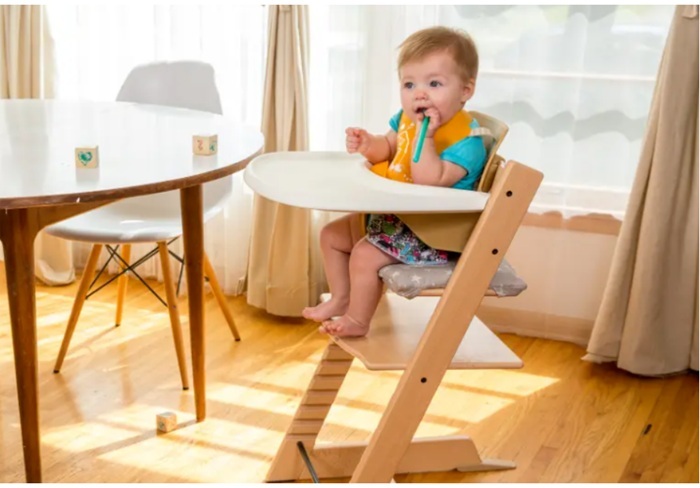
At two months old, your baby is still adjusting to the outside world, and sleep can feel unpredictable. Many parents wonder whether their baby is sleeping “enough,” waking too often, or struggling with naps. The truth is that sleep at this age is still very fluid—but understanding what’s developmentally normal can make this stage far less stressful. Establishing a calm daily rhythm, including comfortable feeding and sitting routines using supportive essentials like a high chair with tray, can also help create positive associations around rest and routine.
This guide explains realistic expectations for a 2-month-old sleep schedule, how much rest they need, and how you can gently support healthy sleep habits without forcing a rigid schedule.
Typical Sleep Patterns for a Two-Month-Old Baby
At two months, babies do not yet follow a consistent sleep schedule in the way older infants or adults do.
Most 2-month-olds sleep in short, frequent stretches throughout the day and night, usually lasting between 2 and 4 hours. These sleep cycles are driven primarily by hunger, comfort, and neurological development rather than by time of day.
At this stage:
- Sleep is still evenly distributed across 24 hours
- Babies may fall asleep during feeding or rocking
- Naps can happen anywhere and vary in length
Frequent waking is not a sleep problem—it is a normal and necessary part of early infancy.
Distinguishing Between Day and Night Sleep Cycles
Although newborns don’t recognize day and night, many babies around eight weeks begin to show subtle differences between daytime and nighttime sleep.
Nighttime sleep often becomes slightly longer and deeper, while daytime naps remain lighter and shorter. This shift happens as your baby’s circadian rhythm slowly develops, influenced by light exposure and daily routines.
You can gently support this process by:
- Keeping daytime environments bright and active
- Allowing normal household noise during naps
- Using dim lighting and calm voices at night
- Avoiding playtime during nighttime wake-ups
These cues help your baby associate nighttime with rest and daytime with activity.Calculating the Total Hours of Sleep Needed in 24 Hours
Sleep needs vary, but most 2-month-olds require 14 to 17 hours of sleep per day.
This total typically includes:
- 8–10 hours of nighttime sleep, broken into stretches
- 4–7 hours of daytime sleep, divided into several naps
Some babies naturally sleep closer to 13 hours, while others may need closer to 18. Rather than focusing on exact numbers, look at your baby’s overall mood, feeding patterns, and growth to gauge whether they’re well-rested.
Creating a Soothing and Consistent Bedtime Routine
A bedtime routine helps signal to your baby that sleep is coming, even before they fully understand time.
At two months old, routines should be simple, predictable, and calming—not long or overstimulating. The purpose is familiarity, not enforcing a bedtime.
A gentle routine might include:
- A warm bath or gentle wipe-down
- Putting on pajamas or a swaddle
- Feeding in a quiet environment
- Cuddling, rocking, or singing softly
Repeating the same steps each night builds a sense of security and prepares your baby for longer sleep stretches in the months ahead.
Understanding the Concept of Wake Windows at Eight Weeks
Wake windows refer to the amount of time a baby can comfortably stay awake before becoming overtired.
For a 2-month-old, wake windows are typically 60 to 90 minutes, including feeding time. Staying awake longer than this often leads to fussiness and difficulty falling asleep.
Shorter wake windows are common in the morning, while slightly longer ones may occur later in the day. Watching your baby’s cues is just as important as watching the clock.
Signs Your Baby Is Becoming Overtired or Overstimulated
Recognizing early signs of tiredness can make settling your baby much easier.
Common signs include:
- Yawning or slowing movements
- Red or heavy eyelids
- Decreased eye contact
- Fussiness that escalates quickly
- Arching the back or clenched fists
Once babies become overtired, they may cry more and struggle to fall asleep—even though they desperately need rest.
Strategies for Managing Nighttime Feedings and Diaper Changes
Night wakings are developmentally normal and expected at two months.
To help your baby return to sleep more easily:
- Keep lights low or use a nightlight
- Speak softly or not at all
- Change diapers only when necessary
- Feed calmly without stimulating interaction
Many babies fall asleep while feeding, which is completely appropriate at this age and does not create bad habits.
How to Set Up a Safe and Comfortable Sleep Environment
A safe sleep environment is essential for both quality rest and your baby’s well-being.
Follow safe sleep guidelines:
- Always place baby on their back
- Use a firm, flat mattress
- Keep the sleep space empty (no pillows, toys, or loose blankets)
- Maintain a comfortable room temperature
Swaddling can be helpful for reducing the startle reflex, as long as your baby has not begun rolling.
Understanding Short Naps and Why They’re Normal
Many parents worry when their baby only naps for 20–40 minutes.
Short naps are extremely common at two months because babies are still learning how to connect sleep cycles. At this age, it is developmentally normal for naps to end after a single sleep cycle.
Longer naps typically emerge naturally around 4–6 months as neurological maturity improves.
Sample Flexible 2-Month-Old Sleep Schedule
This example is a loose guide, not a strict routine. Always adjust based on your baby’s needs.
- 7:00 AM – Wake and feed
- 8:15 AM – Nap
- 9:45 AM – Wake and feed
- 11:00 AM – Nap
- 12:30 PM – Wake and feed
- 1:45 PM – Nap
- 3:15 PM – Wake and feed
- 4:30 PM – Nap
- 6:00 PM – Wake, feed, calm interaction
- 7:30 PM – Bedtime routine
- Overnight – 2–3 feedings
Some babies prefer later bedtimes, while others settle earlier. Both are normal.
Should You Start Sleep Training at Two Months?
Formal sleep training is not recommended at this age.
Two-month-olds still rely heavily on caregivers for comfort, feeding, and regulation. Responsive caregiving—feeding when hungry and comforting when distressed—is developmentally appropriate and supports emotional security.
Gentle habits, such as consistent routines and safe sleep practices, are more than enough at this stage.
Growth Spurts and Their Impact on Sleep
Around 6–8 weeks, many babies experience a growth spurt that can temporarily disrupt sleep.
During this time, your baby may:
- Wake more frequently to feed
- Take shorter naps
- Appear fussier than usual
These changes are temporary and often signal healthy development rather than a sleep issue.
When to Talk to a Pediatrician About Sleep
Most sleep variations at two months are normal, but you should contact a healthcare provider if:
- Your baby is extremely difficult to wake
- Feeding is consistently poor
- Weight gain is inadequate
- Your baby seems persistently uncomfortable
Sleep concerns are often linked to feeding, reflux, or growth patterns that your pediatrician can help assess.
Final Thoughts: Supporting Sleep Without Pressure
Sleeping for two months is about progress, not perfection. Instead of focusing on schedules or comparisons, aim to follow your baby’s cues, offer frequent feeding, create calm transitions, maintain a safe sleep environment With time and development, longer stretches of sleep will come naturally. For now, your responsiveness and patience are exactly what your baby needs to thrive.


Alfanar Global Development Welcomes Tenaga Nasional Berhad Delegation for a Strategic Visit to Alfanar Industrial City
Sunday 27 September, 2026 11:24
SLB awarded 4 contracts by Aramco to develop 450 wells
Sunday 27 September, 2026 8:00
Saudi renewable energy capacity rises 63-fold since 2020
Sunday 27 September, 2026 8:00
Saudi Arabia ranks 29th in 2026 travel & tourism index
Sunday 27 September, 2026 8:00
Aramco seeks additional export routes, overseas storage capacity: CEO
Sunday 27 September, 2026 8:00